Defined Scope Of Work
Room by room, material by material — no ambiguity about what is in and out of the project.
A defined, documented scope of work your contractor can follow — grounded in IICRC S500 and written to bring the structure back to a clean, dry, preloss condition.
Or Call Us
(253) 285-0211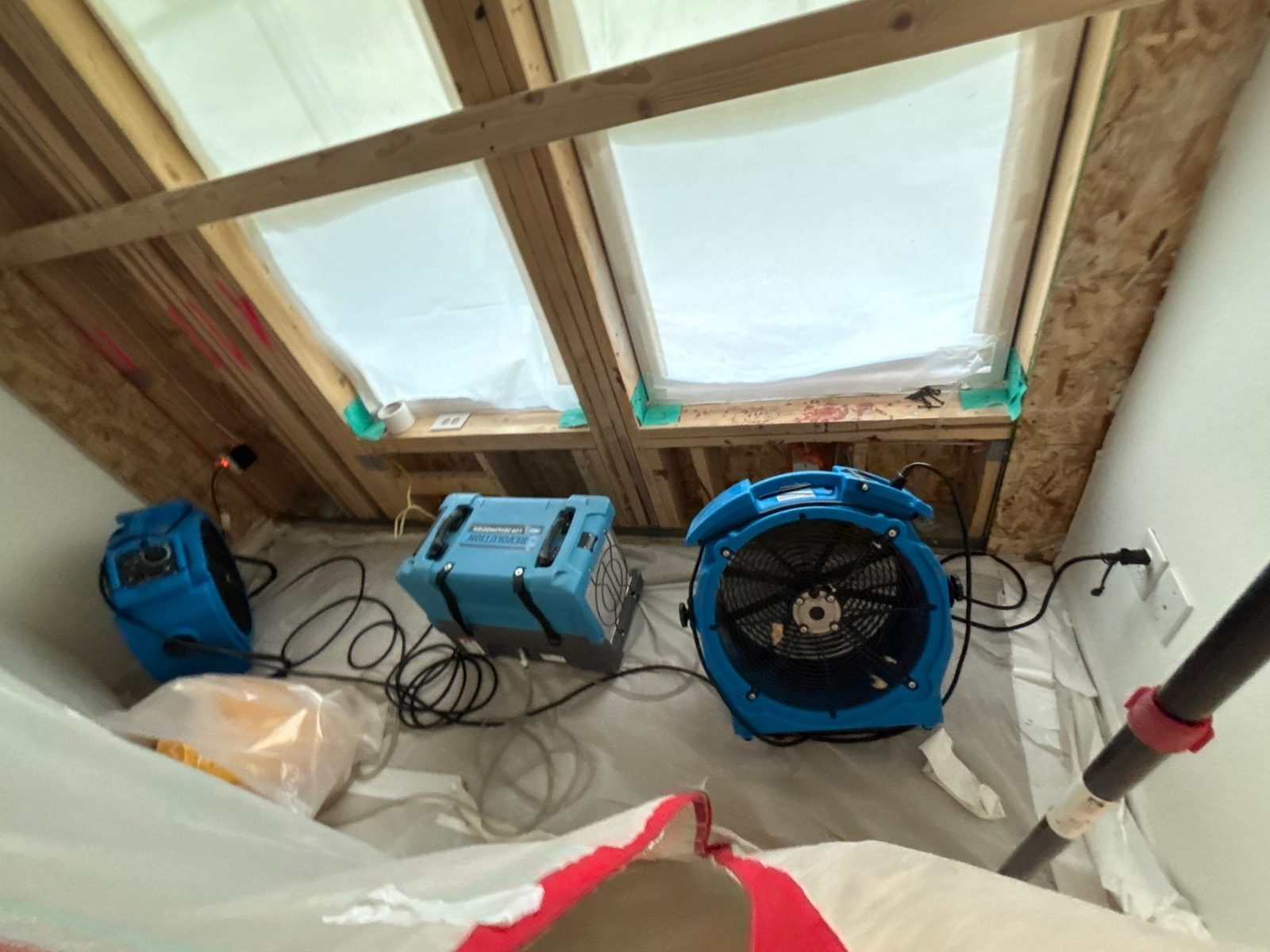
Overview
A mitigation protocol is a written scope of work that tells a contractor exactly what has to happen: what is affected, what gets removed, what gets cleaned, how the space is contained, what the drying goal is, and how completion will be verified.
With a background in water damage restoration and accreditation through the IICRC, Flagship Environmental curates protocols and reports for contractors to follow in order to bring your structure back to a clean and safe preloss condition. Because we are independent of the remediation, the scope is written to the standard rather than to a bid.
Room by room, material by material — no ambiguity about what is in and out of the project.
Protocols reference the recognized standard of care rather than one company's internal habit.
Written so a mitigation or remediation contractor can bid it, execute it, and be held to it.
The protocol defines what clearance or postremediation verification looks like before work is called done.
Know The Signs
A positive result tells you there is a problem. The protocol converts that finding into an actionable scope: containment, engineering controls, material removal, cleaning method, and clearance criteria.
When every contractor is scoping something different, prices are not comparable. A single written protocol makes bids apples to apples and removes the incentive to pad the scope.
Carriers respond to documented findings tied to a recognized standard. A protocol with supporting readings, photos, and lab results is far more effective than a narrative description of the damage.
Containment, negative pressure, and work sequencing matter a great deal when people are still living in the building. The protocol specifies how the occupied areas are protected.
Property managers and landlords need a paper trail showing the issue was identified, scoped to standard, corrected, and verified. The protocol and final report are that record.
If a prior remediation did not solve the problem, a fresh assessment and a written protocol establish what was missed and what has to be done differently this time.
Our Process
The protocol starts from evidence: the inspection findings, thermal and moisture readings, photographs, and any laboratory results. We define the affected areas precisely and classify the loss so the required standard of care is clear from the outset.
From there we write the scope — containment and engineering controls, personal protective requirements, materials to be removed versus cleaned, cleaning and drying methods, target moisture content, and the verification required before the space is closed. When the contractor finishes, we can return to perform postremediation verification and issue the final report.
Specific Work Practices Include
Flagship Environmental is built on hands on experience in the restoration industry. That background is why our reports read like something a contractor can execute rather than a list of numbers — we know what happens on the job site after the testing is done.
From the first walkthrough to the final written protocol, we document conditions accurately, send samples to accredited laboratories, and give you a clear plan to bring the structure back to a clean, safe, preloss condition.
What People Search For
A mitigation protocol report turns findings into instructions. Whether it is a mold remediation protocol in Washington or an asbestos abatement protocol, the document specifies engineering controls, a containment and negative air plan, HEPA cleaning verification steps, and a clear scope of work for contractors — which makes remediation bid comparison an apples to apples exercise instead of a guessing game.
When the work is finished we return for clearance testing after remediation, so post remediation verification in Seattle and third party clearance inspections close the file properly. The result is an independent environmental report you can hand to an adjuster as insurance documentation for a mold claim, backed by remediation oversight in Snohomish County and environmental consultant reporting in Everett.
Common Questions
Don't see your question here? Call and ask — we'd rather talk it through than have you guess.
More Services
Flagship Environmental utilizes the latest testing and sampling techniques in the process of inspecting your home for mold spores. Testing includes baseline sampling and multiple indoor sampling, crawl space and attic inspections, source assessment and more.
Flagship Environmental is certified to safely obtain samples of lead and asbestos and provide the lab results to indicate if these materials are found in your home.
Using thermal imaging, moisture meters, and other devices, we perform a survey of the home and look for any indications of water damage, including attic and crawlspace inspections, and consult on how to remediate what we find.